
SERVICES / ALACER MATRIX

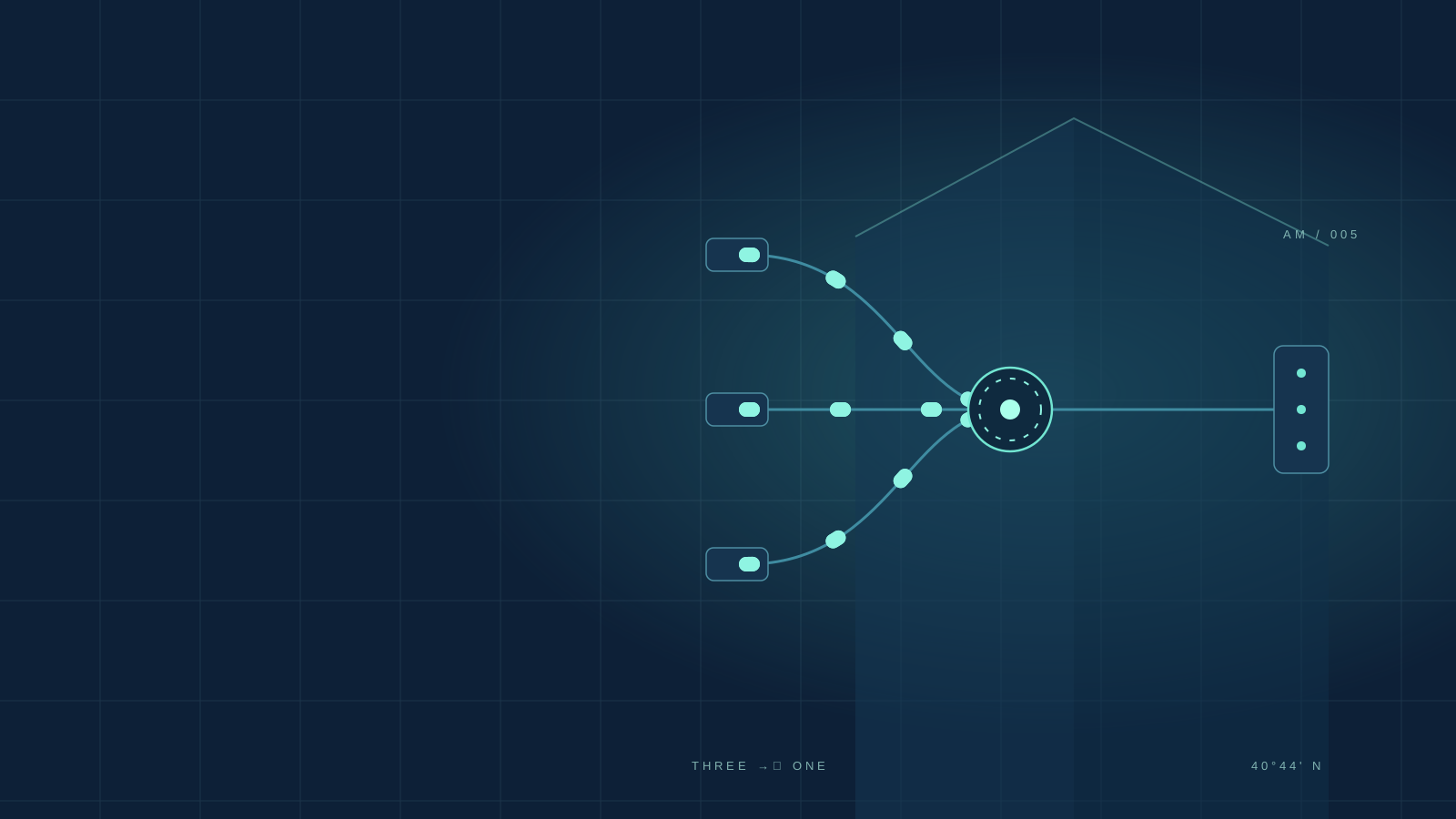
One partner. Three connected strengths.

Specialist financial services depth, global delivery reach and accountability from diagnosis through to the measured result.

Most firms will sell you one of these three. The difficulty for a financial institution is rarely a shortage of advice, engineers or people; it is that they arrive from different firms, answer to different commercial interests and hand work to each other across a gap where accountability is lost.

Advice that survives contact with delivery

Our advisory work is done by people who will still be there when the redesign is built and run. That changes what gets recommended. A roadmap written by a team that has to deliver it is a more honest document than one written by a team that leaves at the end of the diagnosis.

One sequence, not three workstreams

EPIF sets the order of the work: diagnose the operation, sequence the interventions by evidence, deliver them, then prove the result against a baseline Finance accepts. Advisory establishes the sequence, Technology and Process builds it, and Sourcing and Delivery keeps the operation running while it changes. The three are the same engagement at different stages, not three contracts to coordinate.

Where we start

Most engagements begin with a defendable baseline: what the process actually costs today, where the work is really going and which steps can be eliminated, simplified or standardized before any technology is bought. Automation and AI come last in that order, because automating a process nobody has fixed only makes the waste faster.

Explore the EPIF methodology

COMMON QUESTIONS

Working with us, answered.

What prospective clients ask before the first conversation.

Three connected strengths under one accountable team: Advisory, covering EPIF assessments, risk and regulatory, financial crime and AI governance; Technology and Process, covering data, workflow redesign, AI engineering and automation; and Sourcing and Delivery, providing specialist teams and managed delivery for critical operations.

It starts with an EPIF diagnosis: the work mapped as it actually runs, a measured baseline the business and Finance both recognize, and the fixes ranked by recoverable value and risk. The scope of what follows is set by that evidence, with the least-risk change first, rather than by a predetermined solution.

Alongside. Specialist teams and managed delivery exist to keep critical work moving while change is implemented, and the operating team owns the redesigned process when we leave. Knowledge transfer is part of the plan, not an afterthought.

Investment banking, retail and commercial banking, insurance, wealth management, fintech and payments, and mortgage and consumer lending. The method is constant; the scenarios, regulations and systems differ, and each industry page walks one familiar problem through EPIF.

Against the baseline agreed at the start, in the same units, with Finance in the room. Cycle time, touch time, first-time-right quality, cost per unit and control effectiveness are reported before and after. Twenty-six documented engagements in Client Results show the figure each one reported and where it came from.

The next move starts with
one conversation.

Let's talk